
TALI Scholarships: 2025-2026 Recipients
National Executive Leadership Academy Recipient: Imogene Cathey
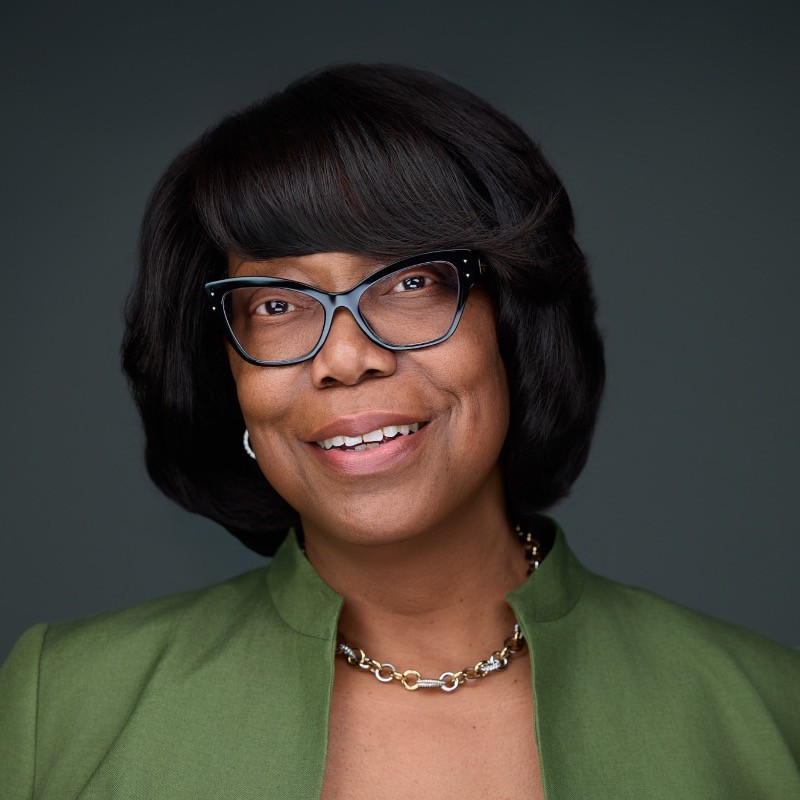
Tell us a little about yourself. Where did you grow up, where did you go to college?
I’m a Chicago native, spending most of my youth in the western suburb of LaGrange, Illinois. I attended Florida A&M University in Tallahassee, FL for college where I graduated, Summa Cum Laude, with of Bachelor of Arts in Political Science and a minor in Secondary Education.
Why did you decide to go to law school? What motivated you to be a lawyer?
I was initially motivated by my mother’s childhood friend who was an attorney. She took me to observe a court proceeding and instilled in me the importance of selecting an honorable profession. As an undergraduate freshman, I was selected to attend a minority admissions conference at the University of Iowa School of Law. There, I observed a panel of attorneys speaking about their respective career paths. I was most intrigued by the in-house lawyer on the on the panel since they seemed the happiest without the stress of billable hours. I later decided to pursue a career as an in-house university attorney due to the ability to combine my passion for higher education and law.
Why do you love Pittsburgh?
I love Pittsburgh because the legal community is not overwhelmingly large and there are opportunities to hold leadership positions in the bar and form meaningful relationships with attorney colleagues and members of the bench.
What does this opportunity to be a part of TALI’s National Executive Leadership Academy mean to you?
I see the TALI program as an invaluable opportunity to add value to myself both personally and professionally. Specifically,
- In the professional context, I believe that participating in this program will provide me with career acceleration through skill enhancement, leadership development, and expanded networking opportunities with national peers and experts. I am particularly interested in enhancing my knowledge of current business trends and technologies, which drives organizational innovation. I believe that these skills will help me to lead change more effectively within both my current and future executive roles, as well as provide better overall career satisfaction.
- I am also drawn to the program’s expanded network and peer learning. Specifically, I am seeking to connect with influential peers, industry experts, and C-suite executives from various sectors, fostering lifelong relationships and potential collaborations on projects and venues to discuss challenges with other high-performing leaders, providing new perspectives and innovative solutions. I believe that attending this program will connect me with a diverse cohort of experienced peers, faculty, and industry leaders from around the country. These relationships can lead to future business opportunities, mentorship, and lifelong professional and personal connections.
- Finally, the program offers top notch education and Resources. Specifically, I believe that access to educational resources through TALI’s partnership with the Carnegie Mellon Tepper School of Business can provide me with ongoing support and knowledge long after the program has ended.
What can the legal community do better to support the growth and advancement of Black lawyers?
The legal community should implement actionable, long-term strategies aimed at fostering an inclusive environment with accountability for diversity metrics. Specific examples of key actions to support Black lawyers include:
- Mentorship and Sponsorship: Create formal, long-term mentorship programs to support career development. Implement sponsorship programs (like TALI) that connect Black attorneys with senior leaders from various sectors to facilitate business development and partnership opportunities.
- Pipeline Development: Invest in initiatives for high school and undergraduate students to increase interest in legal careers. Support Black law students with, for example, free LSAT prep courses, scholarships, and paid internships.
- Retention and Advancement: Foster inclusive workplace cultures by using affinity networks to promote inclusion and communication. Ensure that diversity, equity, and inclusion (DEI) initiatives are not just about hiring numbers but are focused on retention and advancement into leadership roles.
- Accountability and Metrics: Set and track clear DEI benchmarks, such as pay rates, mentorship participation, and leadership representation.
- Economic Support: Support Black-owned law firms and hire Black attorneys for legal services to promote financial sustainability.
- Professional Development: Provide specialized training and networking opportunities that foster professional growth and community, such as those offered by black attorney associations, such as the National Bar Association and the Top 100 National Black Lawyers.
Who are your legal heroes?
My legal heroes consist of Black lawyers, judges, scholars and activists who have used the law to fight injustice, defend rights, and uphold integrity, often at great personal risk and sacrifice. Key examples include pioneering civil rights lawyer and first Black Supreme Court justice, Thurgood Marshall, who dismantled segregation, and modern figures like Ben Crump who is known for representing families in high-profile cases involving wrongful death and police brutality.
Who is your favorite fictional lawyer?
My favorite fictional lawyer is Clair Huxtable from The Cosby Show, portrayed by actress Phylicia Rashad. Her character represented a pioneering, intelligent Black woman lawyer on primetime television in the 1980s. She was a partner in a prestigious New York law firm who balanced a successful and demanding career as a wife and mother. She is known for her sharp wit, strong discipline, and as a role model for working mothers.
Emerging Leaders Program Recipient: Sidnee McDonald

Tell us a little about yourself. Where did you grow up, where did you go to college?
I am from Rochester, New York. I attended SUNY Brockport for college and earned a Bachelor of Science, double majoring in African & African American studies and political science. I also earned a Master’s in Public Administration from SUNY Brockport. I earned my law degree from Penn State Law.
Why did you decide to go to law school? What motivated you to be a lawyer?
I went to college thinking I would be a doctor, so I majored in biology. However, once I got to college, I did not like my classes. I felt like I did not belong because I was one of a few Black students in my classes. I felt as if there was no space for me in medicine. As a freshman, we were required to take an elective in cultural studies, and I chose an African American studies class. I loved the course. I loved what we were learning, how the professor engaged with the class, the discussions and debates, but most importantly, I felt like I belonged in that space. So at the end of the semester, I told the professor of the class that I wanted to switch my major from biology to African American studies. On the day that the professor was helping me switch my major, I asked him what kind of job I could have with a degree in African & African American studies, and he said I could do anything. He proceeded to name successful people who majored or minored in African American studies, and the one that caught my attention was Michelle Obama. It was in that moment I decided I wanted to become a lawyer.
Why do you love Pittsburgh?
I like Pittsburgh because of the great people I get to work with and the community I have found.
Why do you volunteer with the PLDIC?
I volunteer with the PLDIC because their mission to promote diversity and inclusion within the Pittsburgh legal community resonates deeply with me. I am passionate about creating inclusive environments where everyone feels valued and respected. That’s why I am committed to working alongside the PLDIC to support their initiatives and make a positive impact.
What can the legal community do better to support the growth and advancement of lawyers from historically underrepresented backgrounds?
There needs to be more effort put forth to make the legal community more inclusive. Focusing solely on diversity initiatives has led to low retention of lawyers from historically underrepresented backgrounds. You cannot invite marginalized individuals into your space and expect us to abandon our identities and assimilate. To create an inclusive space, we must allow for the identities and cultural norms of the marginalized to become the cultural norms of the legal community. The first step is abandoning individualistic ideologies and uplifting collectivist values.
Who are your legal heroes?
Constance Baker Motley, Charles Hamilton Houston, Thurgood Marshall, Dr. Sadie Tanner Mossell Alexander, Michelle Obama, Angela Rye, Ketanji Brown Jackson, and Marilyn Mosby.
Who is your favorite fictional lawyer?
Maxine Shaw
Do you have anything else you want the Pittsburgh legal community to know about you?
“Service is the rent we pay for the privilege of living on this earth.” – Shirley Chisholm. This quote resonates deeply with me because it encapsulates my commitment to giving back to the community and supporting those in need. It drives my passion for volunteering and advocating for underrepresented groups within the legal field.
What does this opportunity to be part of TALI’s Emerging Leaders Program mean to you?
Being selected to participate in the TALI Emerging Leaders Program is an incredibly meaningful milestone for me, both professionally and personally. To be chosen for this program is an honor in itself, but to have the Pittsburgh Legal Diversity & Inclusion Coalition fully sponsor my participation makes it much more profound. PLDIC’s investment goes far beyond covering the cost of tuition; it represents their belief in me, in my leadership potential, and in the value of investing early in rising talent. Knowing that they chose to fund my participation reaffirms that they see promise in my growth and are committed to supporting me in spaces where I can connect, learn, and stretch into my best self as a leader.
What makes this opportunity particularly special is the community it fosters: being in a space with peers who are similarly committed to growth, excellence, and impact — especially other Black leaders and professionals striving toward the next stage of their careers. The relationships built in this program, the perspectives shared, and the collective experience of pushing one another to lead with authenticity and confidence are invaluable.
I am deeply grateful to PLDIC for this investment in my development. Their support makes me feel seen, valued, and affirmed not just as a contributor within the legal community, but as a future leader whose voice and influence matter. This opportunity is not just about the skills I will gain, it is about the confidence I will carry forward, the connections I will nurture, and the foundation it builds for my ongoing journey of service, leadership, and impact.